Colorblindness, medically known as color vision deficiency, is more than just an inability to discern certain hues; it's a complex optical condition with far-reaching implications. This visual impairment is estimated to affect millions of people worldwide, influencing various facets of their lives, from interpersonal interactions to career choices.
Despite its prevalence, colorblindness remains a misunderstood and often overlooked issue. While it is true that the condition primarily affects the way one perceives color, the impact of this seemingly simple visual hindrance can be substantial, both emotionally and practically. For instance, certain occupations such as aviation and specialized medical fields may be less accessible to individuals with color vision deficiency. Even everyday activities like driving, cooking, or simply enjoying the beauty of a sunset can be altered by this condition.
The purpose of this article is to offer an in-depth look at the multiple dimensions of colorblindness. We will examine the science behind the condition, delve into its various types, and explore the symptoms that may indicate its presence. We will also discuss the limitations and daily challenges faced by those living with colorblindness. Importantly, we aim to shed light on the lack of awareness surrounding this issue, which often leads to avoidable difficulties and misunderstandings.
Towards the end of this article, we will offer insights into potential solutions and accommodations that can make the world a more color-friendly place for everyone. From simple tweaks in the color schemes of user interfaces to more significant changes like adapting aviation lights, we will explore actionable steps that can make a substantial difference.
Through this comprehensive overview, we hope to foster greater understanding and empathy for those with color vision deficiencies, while also providing practical information for those who wish to support the colorblind community.
Definition and Types
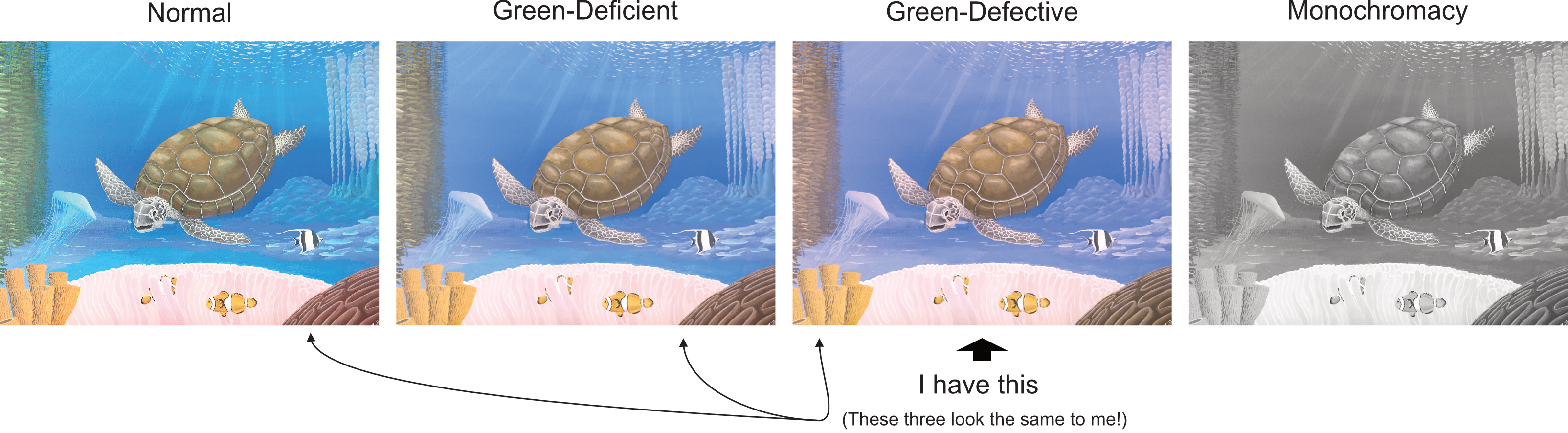
Colorblindness, or color vision deficiency (CVD), is a condition that affects an individual's ability to perceive or distinguish certain colors. This impairment is not a form of blindness but rather a deficiency in recognizing various wavelengths of light. There are several types of colorblindness, which can be grouped into three main categories: Trichromatic View, Anomalous Trichromacy, Dichromatic View, and Monochromatic View.
Trichromatic View
- Normal:
This is the standard vision where an individual can perceive the full range of colors.
Anomalous Trichromacy
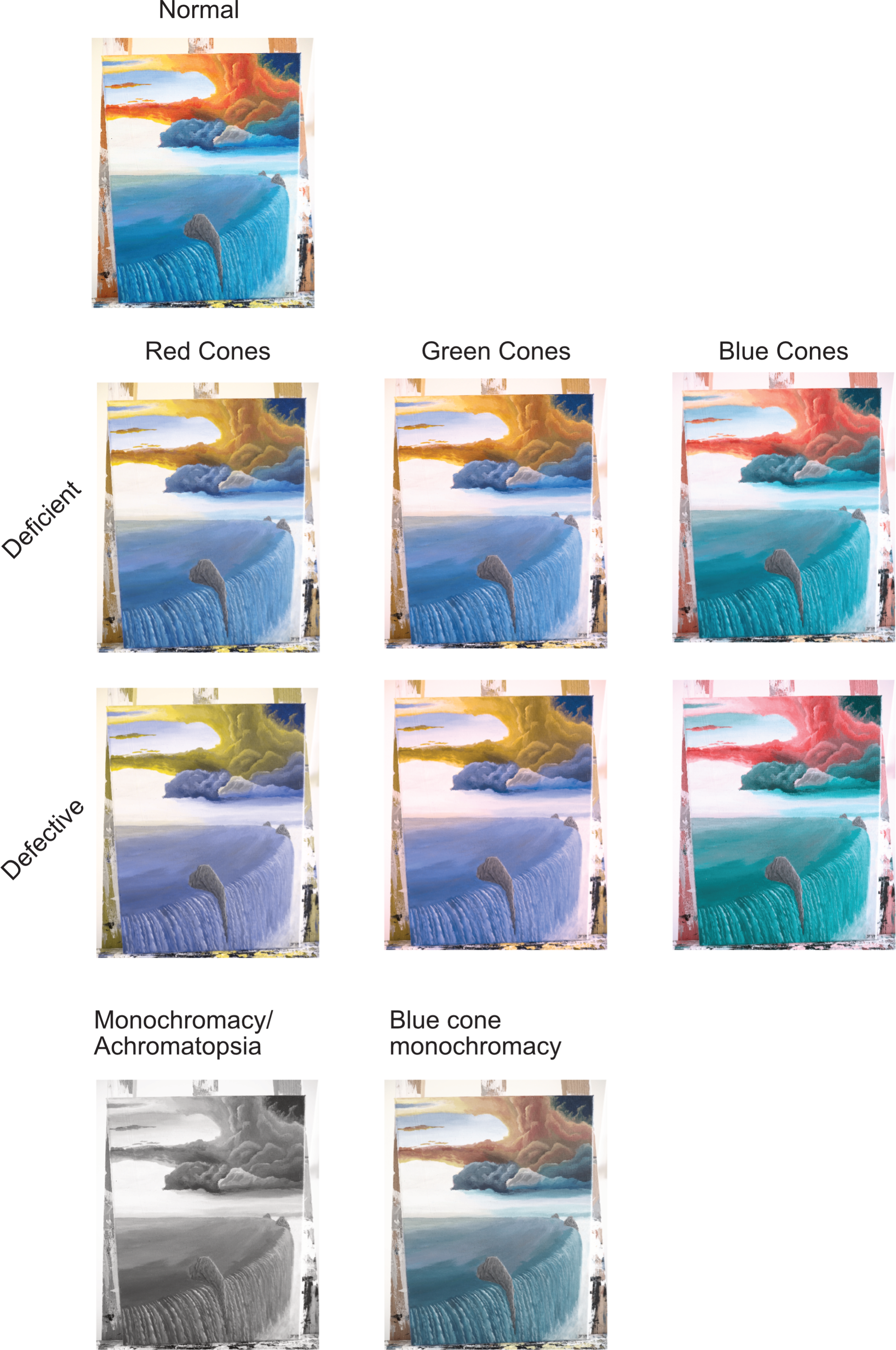
Anomalous trichromacy is a condition where one of the three color receptors in the eye perceives a slightly different wavelength than normal. It includes:
- Protanomaly (Red-Weak):
A form of color vision deficiency where the red cones in the eye are less sensitive to red light. This makes it difficult to distinguish between red and green hues.
- Deuteranomaly (Green-Weak):
Similar to Protanomaly, but it involves reduced sensitivity of the green cones, causing difficulty in distinguishing between red and green hues.
- Tritanomaly (Blue-Weak):
This condition affects the blue cones in the eyes, making it hard to differentiate between blue and yellow hues.
Dichromatic View
In dichromacy, one of the three color receptors in the eye is missing, which includes:
- Protanopia (Red-Blind):
This condition involves the absence or dysfunction of the long-wavelength cones, making it difficult to distinguish between red, green, and yellow hues. Reds may also appear darker compared to normal vision.
- Deuteranopia (Green-Blind):
Characterized by the absence of medium-wavelength cones, this form makes it hard to distinguish between red and green hues. It is the most common form of colorblindness.
- Tritanopia (Blue-Blind):
This is a rare condition where the short-wavelength cones are missing or dysfunctional, affecting the ability to distinguish between blue and yellow hues.
Monochromatic View
Monochromacy involves severe color vision deficiency, including:
- Achromatopsia:
An extremely rare condition where an individual can only perceive shades of gray, as they cannot distinguish between different colors at all.
- Blue Cone Monochromacy:
This is a rare condition where only the blue cones are functional, and individuals have difficulty distinguishing between different colors, primarily seeing in shades of blue and gray.
The Science Behind It
The human eye perceives color through a complex process that involves various structures and cells, primarily the cones situated in the retina. Let's delve deeper into this fascinating process:
Role of Cones in Color Perception
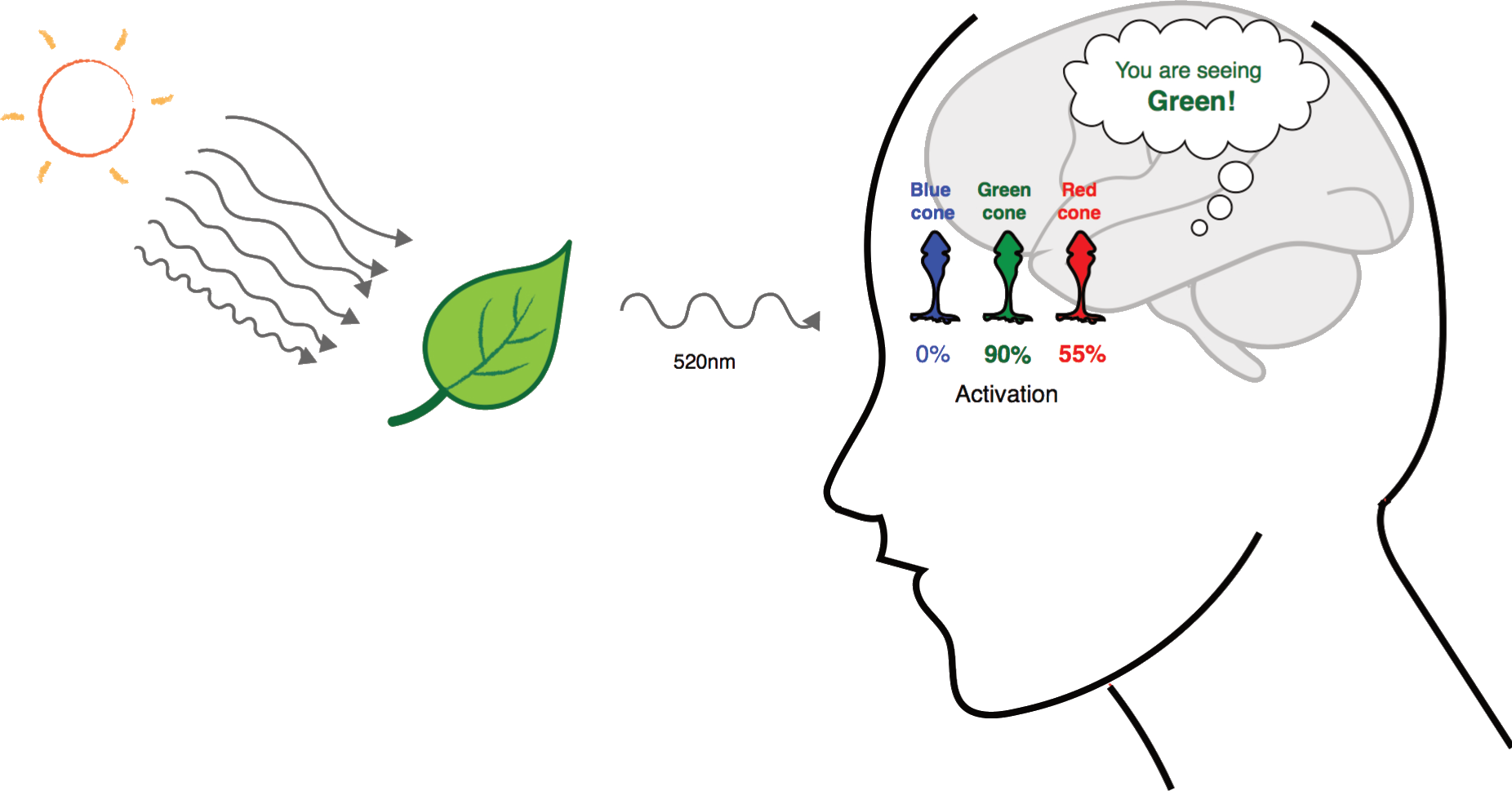
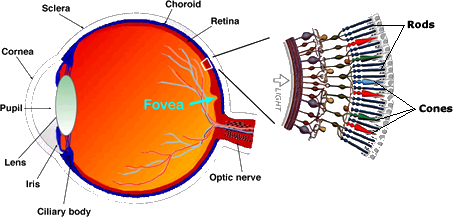
The retina, a thin layer at the back of the eye, contains millions of light-sensitive cells called photoreceptors. These are of two types: rods, which are responsible for vision in low light conditions, and cones, which are active in normal daylight conditions and enable the perception of color. Cones are sensitive to different wavelengths of light, which allow the perception of different colors. Generally, there are three types of cones - L-cones (sensitive to long wavelengths, or red light), M-cones (sensitive to medium wavelengths, or green light), and S-cones (sensitive to short wavelengths, or blue light).
Color Vision Deficiency (CVD)
In individuals with CVD, one or more types of cones may be missing, dysfunctional, or present in reduced numbers. This disrupts the person's ability to fully perceive certain colors or differences in colors. The nature and degree of color vision impairment depend on the specific type of cones affected. The common forms of CVD and the disruptions they cause in color perception are outlined in the "Definition and Types" section above.
It is crucial to understand that individuals with CVD experience the world visually in a way that is fundamentally different from those with normal color vision. Research and awareness about this condition are vital to developing tools and strategies to assist individuals with CVD in navigating a color-oriented world.
Prevalence and Genetics
Colorblindness, clinically referred to as color vision deficiency (CVD), is a pervasive condition affecting millions of individuals globally. The prevalence of CVD varies significantly across populations, with certain forms being more common in specific ethnic groups. The genetic basis of this condition is primarily anchored to mutations in the genes that code for photopigments present in the cones of the retina. These mutations can lead to alterations in the sensitivity of cones to different wavelengths of light, thereby affecting color perception. The majority of CVD cases are inherited in an X-linked recessive manner, primarily affecting the OPN1LW and OPN1MW genes located on the X chromosome. Consequently, the prevalence is notably higher in males, who possess only one X chromosome, compared to females who have two. A single recessive gene on the X chromosome in males is sufficient to manifest the symptoms of CVD. In contrast, females would require the recessive gene to be present on both of their X chromosomes to exhibit the condition, making it less common in females. Furthermore, there are other forms of CVD that are autosomal recessive, meaning that they are not linked to the X chromosome and can affect both sexes equally. These are generally less common and can be caused by mutations in various other genes. In the subsequent table, we present detailed statistics depicting the prevalence of different forms of colorblindness among various populations:

Envisioning a Brighter, Inclusive Future
In the preceding sections, we embarked on a personal journey, exploring the intricacies of color vision deficiency (CVD) through the lens of science, personal anecdotes, and a deep-seated passion for fostering inclusivity. As we venture into envisaging the changes that the future may hold, I'd like to share my aspirations for a world where individuals with CVD can navigate life without barriers, where understanding and empathy pave the way for innovation and inclusivity.
Technological Innovations
As someone deeply entrenched in the world of science and technology, I envision a future where technological advancements would serve as a beacon of hope and facilitation for individuals with CVD. Innovations could span the development of sophisticated colorblind filters in digital platforms and gaming interfaces, offering a seamless user experience. Personally, I look forward to the day where I can enjoy a game of League of Legends without the barriers posed by current color schemes, a small yet significant step towards inclusivity.
Scientific Community
During my tenure as a molecular biologist, I have often found myself pondering the potential strides we could make in the scientific community to foster a more inclusive environment. This includes leveraging the full spectrum of colors available in fluorescence microscopy and other visualization techniques, facilitating more nuanced data interpretation for individuals with CVD. I firmly believe that these adaptations would not only benefit individuals like myself but could potentially usher in a new era of scientific innovation, characterized by a broader and more inclusive perspective.
Education and Awareness
Reflecting on my early experiences, I cannot help but emphasize the critical role of education and awareness in fostering a supportive environment for individuals with CVD. Comprehensive vision tests during early education, sensitive to the nuances of color vision deficiencies, could prevent misjudgments and facilitate a more nurturing educational journey. Through enhanced awareness, I hope that no child would have to face the misunderstandings I encountered during my kindergarten days, paving the way for a future characterized by empathy and understanding.
Career Opportunities and Regulations
My journey has also led me to critically evaluate the existing norms and regulations in various sectors, including aviation. I firmly believe that it is high time to revisit these standards, fostering inclusivity without compromising safety. Through my personal interactions with the aviation sector, I have realized the potential for nuanced evaluations of the capabilities of individuals with CVD. My experiences with PAPI lights serve as a testament to the fact that individuals with CVD can excel in various professions, urging a reevaluation of current guidelines to encompass a broader range of visual capabilities.
Community Engagement and Support
Looking ahead, I see a vibrant community where engagement and support are not mere words but a living reality. Through forums, support groups, and awareness campaigns, I envision a world where individuals with CVD can share their experiences, foster connections, and work together towards a brighter, more inclusive future. A future where understanding and empathy are not the exception, but the norm.
As we stand on the cusp of a new era, I invite you to join me in fostering a world brimming with understanding, inclusivity, and opportunities for all, irrespective of the spectrum of colors one can perceive. Together, let us embark on this journey, hand in hand, towards a future that celebrates diversity in all its hues.
Conclusion: A Call to Action
As we reach the conclusion of this introspective journey through the multifaceted world of color vision deficiency (CVD), it is incumbent upon us to reflect on the milestones achieved and the path that lies ahead. Throughout this article, we have traversed the scientific intricacies of CVD, delved deep into personal anecdotes, and envisioned a future ripe with opportunities and inclusivity.
From the early misjudgments in kindergarten to the hurdles faced in professional aspirations, the narrative serves as a testament to the resilience and determination inherent in individuals navigating life with colorblindness. Yet, it also illuminates the pressing need for awareness, understanding, and empathic responses from society at large.
As we stand at this juncture, the call to action is clear. It beckons us to foster a society where technological advancements and scientific innovations are aligned with the principles of inclusivity. Where educational frameworks are sensitized to the nuanced needs of individuals with CVD, preventing misjudgments and facilitating nurturing environments.
Furthermore, it encourages a reevaluation of existing norms and regulations in various sectors, paving the way for a future where career opportunities are not bound by the limitations of color perception. It urges us to build communities where support, understanding, and empathy are not mere aspirations but a living reality.
As the artist behind this initiative, I invite you to join hands in this noble endeavor. Let us work together to foster a world where the beauty of diversity is celebrated in all its hues and colors. A world where the spectrum of human experience is enriched by the collective efforts of individuals striving for inclusivity and understanding.
Together, let us embark on this journey towards a brighter, more color-friendly future, where the nuances of color vision do not dictate the boundaries of human potential and achievement.
{Additional Resources}
For those interested in expanding their understanding of color vision deficiency, here are some reliable resources that delve deeper into various aspects of colorblindness:
-
Books:
- The Island of the Colorblind by Oliver Sacks: In this book, neurologist Oliver Sacks explores a Pacific atoll where a significant portion of the population experiences a rare form of colorblindness, seeing the world in black and white.
-
Websites:
- Color Blindness: A comprehensive website offering a wealth of information on different aspects of color vision deficiency, including tools, tests, and personal stories.
- Colour Blind Awareness: This organization aims to raise awareness about colorblindness and supports those who are colorblind.
-
Videos:
- TED Talks: While there isn't a collection dedicated to color vision, TED Talks cover a wide range of topics. You can find individual talks discussing various aspects of color vision and colorblindness. Here are a couple to get you started:
-
Community Support:
- Local Support Groups and Online Forums: Various communities and online platforms facilitate discussions and support for individuals with color vision deficiencies. You might consider joining forums or groups to connect with others who share similar experiences.
We encourage you to explore these resources to gain a deeper understanding and appreciation of the complexities and nuances of color vision deficiency.